Clean According to Whom? Reading a TR19 Duct Report Before the Environmental Health Officer Does
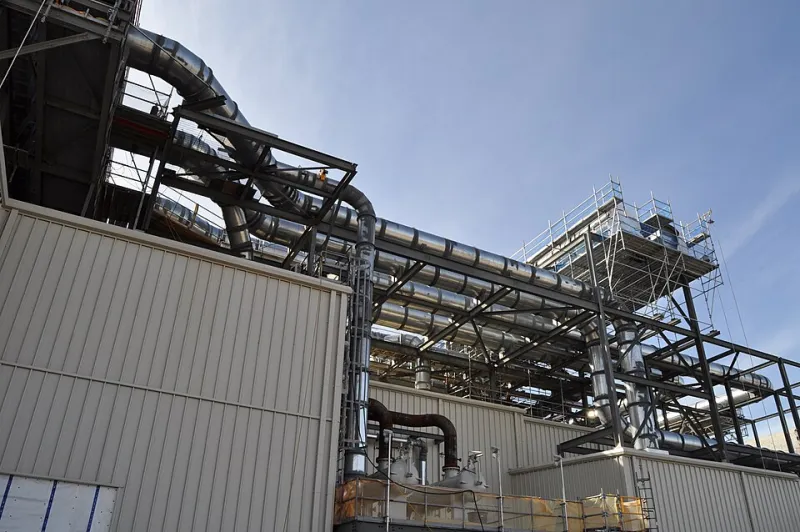
Photo: PEO ACWA, CC BY 2.0, via Wikimedia Commons
The certificate arrives as a single-page PDF, carrying a company logo, a date and the phrase 'cleaned to TR19'. The building manager files it, the tenant is satisfied, and the matter rests until someone makes a complaint about dust, or a kitchen extract catches fire, or an environmental health officer asks a question that the certificate cannot answer.
Duct cleaning is one of the few maintenance disciplines where the paperwork is often more polished than the work. That is not an accusation levelled at the trade as a whole; it is an observation about how the market buys the service. Cleaning is procured on price per metre, verification is treated as an optional extra, and the resulting document is designed to reassure rather than to evidence.
What TR19 is, and what it is not
TR19 is published by the Building Engineering Services Association and is the recognised benchmark for the internal cleanliness of ventilation systems in the UK. Its companion, TR19 Grease, addresses kitchen extract systems, where the risk is fire rather than indoor air quality.
Neither document is legislation. The legal duties come from elsewhere: the Health and Safety at Work etc. Act 1974, the Workplace (Health, Safety and Welfare) Regulations 1992, the Regulatory Reform (Fire Safety) Order 2005, and, for food premises, food hygiene legislation enforced by local authorities. TR19 is the method by which duty holders demonstrate that those obligations have been met in practice. That distinction matters, because an inspector is not looking for a certificate. They are looking for evidence that the system is clean, that you know it is clean, and that you can show how you established it.
The pack behind the certificate
A defensible clean produces a file, not a page. At minimum it should contain:
- A scope defined against the current system schematic, with every section of duct, riser, terminal and air handling unit identified.
- A pre-clean survey recording condition and, where required, measured dust loading before work began.
- A method statement naming the techniques used, the access strategy and the containment measures.
- An access door schedule, since doors installed to TR19 standards are part of the deliverable and not an afterthought.
- Post-clean verification data, including the test method and the locations sampled.
- A photographic log cross-referenced to the schematic, so that each image can be located rather than merely admired.
- Evidence of competence for the operatives and the verifying body.
Where reports tend to come apart
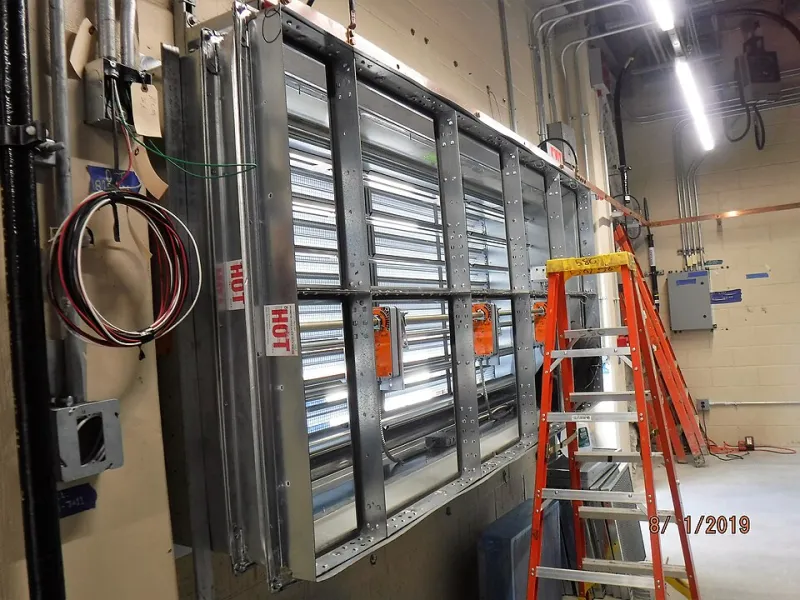
The first weakness is photography without geography. A dozen clean-looking images of bright galvanised steel prove that somewhere in the building a section of duct is clean. They do not prove that the riser serving the fourth floor was touched.
The second is measurement without method. A report stating that dust levels were 'within acceptable limits' is not verification. TR19 verification relies on a combination of visual assessment and physical testing, typically gravimetric sampling expressed in grams per square metre, and vacuum testing yielding a debris weight. The acceptance threshold for general ventilation is commonly taken as around 1.5 g/m2, though the applicable figure depends on the system and the specification. What matters is that the number, the method and the location are all present.
The third is undeclared inaccessibility. Every system has sections that cannot be reached without additional doors or temporary works. A credible report lists them and states what was done about it. A less credible one quietly omits them.
The fourth is self-verification. Where the operative who cleaned the duct also signs the verification, the document records an opinion rather than a test. Independent post-clean verification is the point at which the file acquires evidential weight.
The fifth is scope drift. Cleaning that stops at the main trunk and ignores branches, terminal units, coils, filters, attenuators and fan chambers will produce a tidy report and an unchanged building.
The kitchen extract problem
Grease systems deserve separate attention. TR19 Grease sets out cleaning frequencies according to the intensity and type of cooking, and post-clean acceptance in terms of residual grease film thickness on accessible surfaces. An inspector or insurer will want to see the canopy, filters, ductwork, fan and discharge all addressed, with the frequency justified by the kitchen's actual operation rather than by a generic annual visit. A certificate that refers only to 'the extract system' is of limited use when the question is whether the vertical riser above a charcoal grill has been degreased.
Briefing a specialist so the file survives
The brief does more work than the contract. It should require a scope built from the schematic, sampling points agreed before work starts, independent verification, and remediation of any section that fails. It should state that photographs must be labelled and mapped, that inaccessible sections must be listed, that the report is due within an agreed number of working days, and that records will be retained for the life of the maintenance contract.
It should also require the standard and edition to be named in the report. 'Cleaned to TR19' without a version is a phrase, not a specification.
After the clean
Cleanliness decays. Filters load, coils foul, and a system that was verified in March may be compromised by October if the maintenance regime ignores it. The verification report is a baseline, not a permanent condition. Building managers who treat it as the start of a monitoring record, rather than the end of a procurement exercise, are the ones who find the next inspection uneventful.