Saturday, 23:47: How an Empty Swindon Office Turned a Drip into a Quarter-Million-Pound Claim
Photo: AnonymousUnknown author for NetworkRail Scotland, OGL 2, via Wikimedia Commons
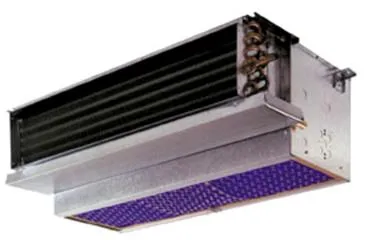
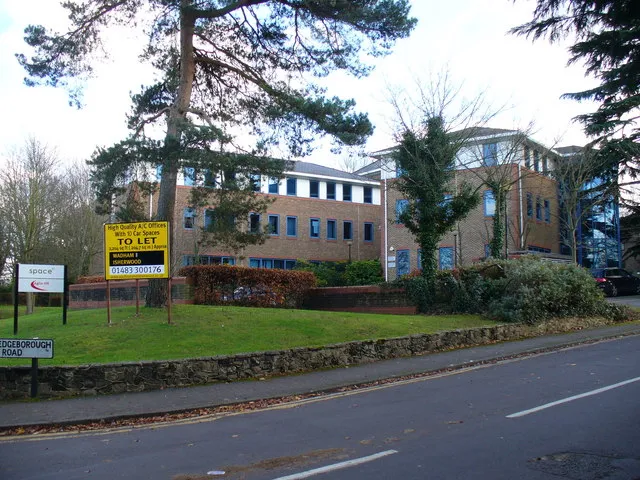
At 23:47 on a Saturday in early November, the building management system at a five-storey office block on the edge of Swindon logged a fault: condensate drain pump, AHU-2, high level alarm. Nobody saw it. Nobody would see it until a security officer doing his Sunday round opened a riser cupboard at 13:20 the following afternoon and found water running down the inside of the wall.
By the time the loss adjuster had finished, the claim stood at just over £248,000: two floors of suspended ceilings, rewiring of three perimeter zones, replacement of forty-two fan coil units that had sat beneath standing water, and the best part of five months of remedial works in a building that was already struggling to let. The repair to the drain assembly itself? Quoted at £1,850.
We were appointed to carry out the post-incident review. What follows is a reconstruction drawn from the BMS trend logs, the insurer's file and forty emails — a sequence that, read in order, shows a failure that was not sudden at all.
What the Logs Actually Said
The BMS told a complete story, provided someone asked it questions. The condensate pump on AHU-2 had been cycling at progressively shorter intervals since mid-September — a classic signature of a partially blocked drain line accumulating sludge through the cooling season. The high-level float had tripped and cleared four times in the fortnight before the Saturday, each event logged, each event dismissed in the outstation as a nuisance alarm.
At 23:47 on the night in question, the float stayed made. The AHU continued to run on its scheduled occupancy profile — set to 'occupied' because the tenant's fit-out contractor had overridden the schedule six weeks earlier and never handed it back. The unit dutifully dehumidified an empty floor, generated condensate, and pumped it into a drain that no longer went anywhere. The overflow dripped into the ceiling void above the second-floor tea point, found the edge of a cable tray, and followed it.
Fourteen hours of uncontrolled discharge. Roughly 900 litres, by the assessor's estimate.
The Forty Emails
Post-incident email disclosure is never comfortable reading. In this case it ran to forty messages across three organisations over five weeks, and the pattern is one every facilities manager will recognise.
There was the BMS bureau's monthly report, issued on time, flagging 'recurring AHU-2 float activity — recommend investigation'. It sat in an inbox managed by a part-time facilities coordinator who also looked after two other buildings. There was the reactive maintenance contractor's job note from a September visit — 'pump noise, monitor' — closed without a follow-up because there was no budget line for planned works to AHU-2, which sat in the grey zone between the landlord's base-build responsibility and the tenant's fit-out obligations.
There was the alarm escalation matrix, last reviewed three years earlier, which routed critical alarms to a mobile number belonging to a maintenance manager who had left the company in the spring. His voicemail box was full.
No single email was negligent. Read together, they describe an organisation that knew something was wrong and had built a system in which that knowledge had nowhere to go.
Why Nobody Was There
The building was empty on Saturday nights, and that is precisely the point. Out-of-hours risk in commercial property is chronically undervalued because the consequences arrive when the building is unstaffed, and the systems meant to compensate — alarms, escalation, duty calls — are quietly maintained to a lower standard than everything else.
Three failures compounded here, and none of them were mechanical:
-
Alarm fatigue. A recurring fault had been normalised. Four float trips in a fortnight should have triggered an attended inspection; instead they trained everyone to ignore the fifth.
-
Escalation decay. The call-out matrix referenced a person who no longer existed. Nobody audits contact lists until the night they are needed.
-
Ownership ambiguity. The AHU served a floor in fit-out limbo, and both parties assumed the other held the maintenance liability. The tenant's works had also left the unit on permanent occupancy — a control override nobody had logged or reviewed.
The Inexpensive Lessons
The insurer's engineering report, to its credit, skipped the drama and listed four actions with a combined cost of a few hundred pounds a year. We would endorse every one:
- Trend the alarms, not just the plant. A monthly review of alarm frequency, not merely alarm presence, catches the escalating pattern weeks before failure. Any competent BMS bureau can produce this — the discipline is in someone being required to read it and sign it off.
- Test the escalation path quarterly. Ring the number. Confirm the person. Empty voicemail boxes and departed managers should be a standing agenda item.
- Audit control overrides on a fixed cycle. Every occupancy override, every temporary schedule, reviewed and either formalised or removed. The six-week-old override on AHU-2 converted a nuisance fault into a continuous discharge.
- Resolve the grey-zone asset list in writing. Where base-build maintenance ends and tenant obligation begins should be a schedule attached to the lease, not an assumption held by both sides.
Closing the File
The £250,000 claim was settled. The building has new plant, a reviewed maintenance contract and, we are told, a much shorter escalation matrix with two named people on it.
The uncomfortable summary is that this was never a drainage failure. It was a governance failure with a plumbing symptom — and the BMS logs had diagnosed the governance problem in September, for free, in writing. The most valuable maintenance resource in most commercial buildings is not the plant; it is the data the plant is already producing, and the small human routine required to act on it.
If your out-of-hours arrangements have not been tested since the last personnel change, this case is the argument for doing it this month — before the next wet Saturday does it for you.