Three Floors, Four Contractors, One Empty Tank: Untangling Water Hygiene Responsibility in an Ageing Warehouse
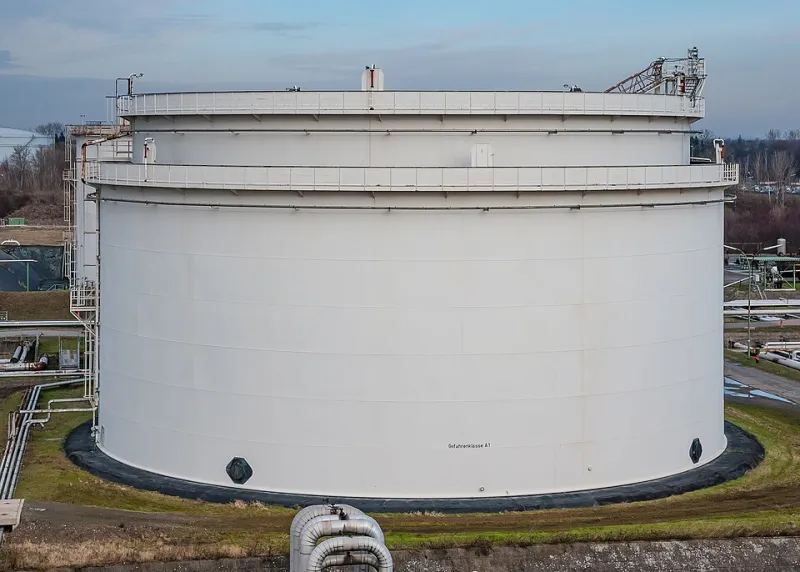
Photo: CEphoto, Uwe Aranas, CC BY-SA 4.0, via Wikimedia Commons
Every older commercial building has one: a length of pipework that goes nowhere, quietly capped or simply forgotten, feeding nothing and nobody. In most cases it sits undisturbed for years. In the wrong conditions, it becomes the most dangerous few metres of copper in the portfolio.
We were called to a three-storey warehouse in the West Midlands last autumn — a 1980s steel-frame building, multi-let, with a managing agent coordinating site services and individual tenants arranging their own fit-outs. The trigger was routine: an occupier's H&S consultant had asked to see the current legionella risk assessment. The one on file was four years old and referred to a cold water storage tank that, upon inspection, hadn't held water since a plant room refurbishment nobody could date.
The Blame Chain in Practice
What followed was a textbook demonstration of how water hygiene accountability fragments. The landlord's position was that the demised premises included the water systems, so responsibility rested with the tenants. The managing agent pointed to the service charge schedule, which covered general maintenance but made no specific mention of water hygiene monitoring. The tenants, understandably, assumed the agent handled anything communal.
Nobody was being deliberately negligent. Each party had a defensible reading of their obligations. But under HSE's ACOP L8, the dutyholder requirement doesn't dissolve just because the organisational chart is ambiguous. Someone must be named, and someone must be competent to carry the role.
The dead-leg itself was the product of a tenant alteration years earlier — a boosted supply run to a former canteen, isolated but never removed, sitting above a warm mezzanine ceiling void. Stagnant, tepid, and connected to a system that periodically drew water through it. It ticked every box on the contamination checklist.
What a Proper Assessment Actually Covers
A compliant legionella risk assessment is often treated as a document to be filed rather than a survey to be acted upon. The distinction matters. A thorough assessment should:
- Map the entire system, including legacy and abandoned pipework — not just the assets on the schematic
- Identify every dead-leg, dead-end and infrequently used outlet, down to the shower nobody uses in the unit nobody visits
- Verify temperature regimes in practice, not in theory — sentry outlets, tank temperatures, flow and return differentials
- Confirm the scheme of control is current, with a named responsible person who actually knows the building
- Review the record-keeping, because a logbook with twelve months of identical, unreviewed entries is evidence of process, not of control
On our warehouse visit, the assessment on file had never mentioned the mezzanine void. It had been commissioned remotely, partly from drawings. That is not unusual, and it is not good enough.
Paper Compliance and Its Limits
There is a version of compliance that involves monthly temperature checks at two sentinel taps and an annual review of a document nobody has re-read. It satisfies the audit trail and it fails the building. Genuine control requires someone who understands the system to walk it physically — open ceiling voids, trace abandoned runs, question anything on the drawings that doesn't match the pipework.
For multi-let buildings, the practical fix is contractual clarity: a water hygiene schedule appended to the management agreement, naming the dutyholder, defining the boundary of responsibility, and requiring that any tenant alteration triggers a system review. It costs a solicitor an afternoon. It prevents exactly the situation we walked into.
Closing the Loop
The warehouse is now compliant in substance, not merely in paperwork. The dead-leg was removed, the tank's decommissioning was properly documented, and the risk assessment was rebuilt from a physical survey with a named responsible person who has actually stood in the plant room.
Water hygiene failures are rarely dramatic. They are administrative failures that become biological ones. In an ageing commercial stock, the buildings most at risk are the ones where everyone assumes someone else has checked.