Sensors Don't Fix Boilers: A Sceptic's Guide to Smart Building Technology
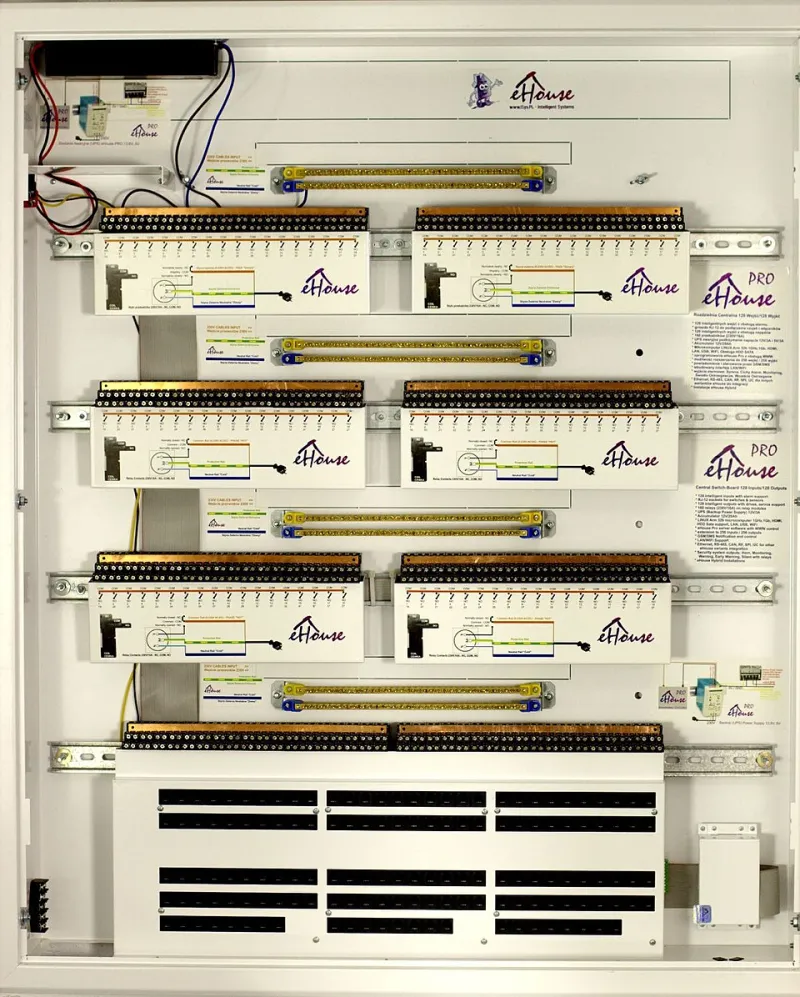
Photo: iSys.PL, Attribution, via Wikimedia Commons
Every trade show since about 2019 has featured at least one stand promising a building that runs itself. Sensors here, a cloud platform there, and — if the brochure is to be believed — a maintenance regime that predicts failure before the first drip hits the floor. Some of it is true. Rather a lot of it is not.
We've spent the past few months talking to facilities managers across the UK commercial sector about what building monitoring technology actually delivers once the demo is over and the invoice has been paid. The picture is more nuanced — and more useful — than either the vendors or the sceptics would have you believe.
What Actually Works: The Unsexy End of the Market
Ask a seasoned FM which sensors earn their keep and you'll rarely hear about AI or machine learning. You'll hear about temperature, humidity, and energy metering.
A regional portfolio manager we spoke to in Manchester put it plainly: "The kit that saved us money cost about £400 a floor. It tells us when a tenant's server room is running hot, and it tells us before their kit fails, not after. That's it. That's the whole product."
The pattern repeats across the sector. Vibration sensors on plant motors can genuinely flag bearing wear weeks before failure — a well-established technique borrowed from industrial maintenance, now cheap enough for a medium-sized office building. Sub-metering on major plant items routinely identifies equipment running outside hours, which in our experience accounts for a surprising share of a building's electricity bill.
These wins share a common thread: the sensor measures something a competent engineer would measure anyway, just more often and without needing to be on site.
The Expensive Wallpaper Problem
Then there's the other end of the market. Every facilities manager we interviewed had a story about a dashboard nobody opens.
One FM in Birmingham described a £60,000 analytics platform installed by a previous landlord: "Beautiful interface. Lovely graphs. It flagged 200 alerts a week and nobody had time to triage them, so we turned the alerts off. The building didn't notice. That tells you something."
The failure mode is consistent. Platforms are sold on the promise of insight, but insight requires someone to act on it. If your maintenance contract is a fixed-price reactive arrangement, your contractor has no commercial incentive to respond to a predictive alert — and your FM almost certainly doesn't have the hours.
Before buying analytics, ask three questions. Who will read the output? Who has authority to act on it? And does our maintenance contract oblige them to? If the answer to any of those is nobody, you're buying wallpaper.
The Cost-Benefit Reality Check
For landlords weighing up an investment, the honest arithmetic looks something like this.
Basic condition monitoring — temperature, humidity, water leak detection, run-hours on critical plant — typically costs a few thousand pounds for a mid-sized commercial building and pays back through avoided damage and better-targeted maintenance. Leak detection alone justifies itself the first time it catches a riser failure on the fourth floor instead of the ground.
Full BMS analytics platforms, on the other hand, suit large portfolios with in-house or long-term FM teams who can act on the data. For a single building with a small management team, the business case is thin unless a specific, identified problem — energy waste, tenant complaints, plant failures — is driving the purchase.
Beware, too, of lock-in. Several FMs complained about proprietary systems where the data lives on the vendor's cloud, and moving away means starting again. Insist on open protocols — Modbus or BACnet at the plant level — and contractual rights to your own data. It sounds dry until it's the difference between an upgrade and a rebuild.
Retrofit Realities and MEES Pressures
The regulatory backdrop is pushing landlords towards monitoring whether they like it or not. MEES compliance and tightening EPC requirements make energy data genuinely valuable for the first time — not as a marketing exercise, but as evidence. A building that can demonstrate actual consumption patterns is in a far stronger position at lease renewal, with buyers, and with local authority climate reporting.
Retrofit installations, though, are where budgets unravel. Cabling is the killer; most of the credible savings come from wireless sensors, which are cheaper to fit but need battery changes and occasional attention. Budget for the maintenance of the monitoring system itself, or it will quietly die within three years.
Our Verdict
Smart building technology is neither revolution nor racket. It is a set of tools that work extremely well when someone competent is expected to use them, and waste money when they aren't. Start with the problems you actually have — leaks, energy waste, plant failures — and buy the cheapest sensor that addresses them. The dashboard can wait.
The building doesn't need to text back. It needs an engineer who knows what the messages mean.